The brief
The client is one of the largest online poker rooms; the brand is confidential. It recognised that organic search was central to growing its player base, and the goal was direct: increase organic traffic and attract new players through better search visibility.
The challenge
Despite the strength of the brand, the site had real problems in search:
- Low rankings for the terms new players actually search
- Limited organic traffic
- Difficulty reaching its target audience
Competitors were capturing demand the client should have owned, in one of the most contested categories in iGaming search.
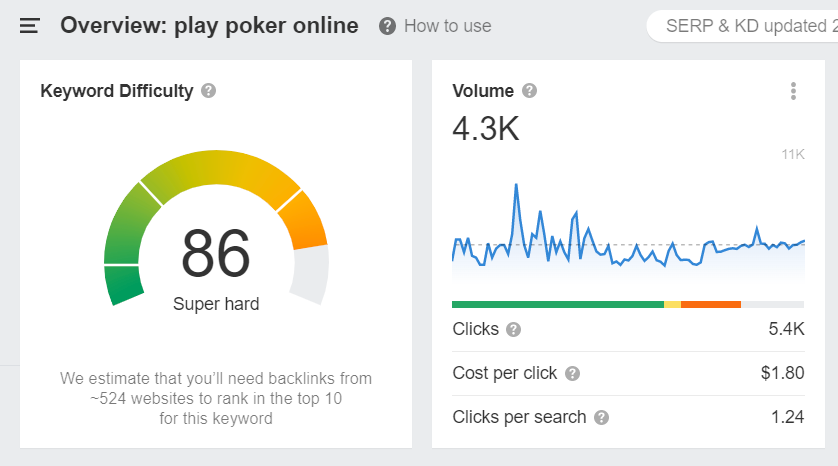
Understanding the landscape first
Before changing anything we analysed where the site stood: the competitive landscape, the trends in the industry, and the preferences and behaviour of the target audience. Knowing the existing environment let us shape the SEO approach for maximum effect.
What we did
Competitive strategy
We analysed competitors in each target region, identified where they were strong and where they were exposed, and built a data-driven keyword strategy around those gaps.
On-page optimisation and content
Titles, metadata, headings and URL structures were audited and rebuilt. Keywords were placed deliberately, and content was rewritten to match what players are looking for and what search engines expect. Relevance and click-through both improved.
Server-side rendering
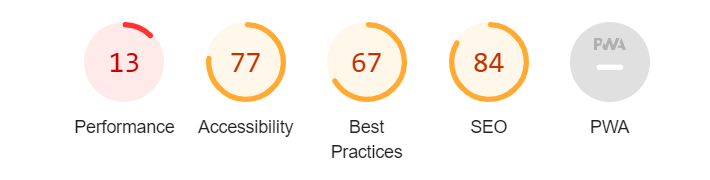
The most significant technical change. Moving to server-side rendering cut time to first byte sharply, improved the experience for players and let search engines crawl and index pages far more efficiently.
Architecture and navigation
Site structure was simplified so that players and crawlers reach key pages in fewer steps.
Results
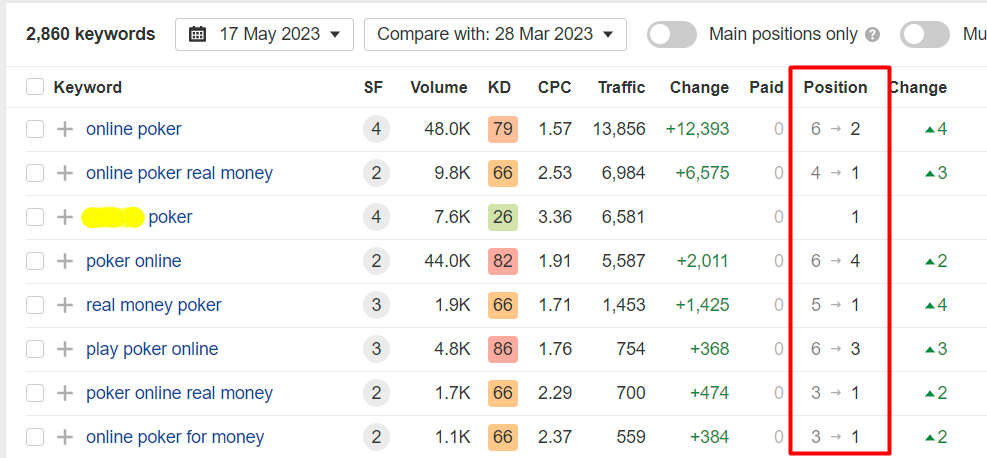
- Key search queries, before
- Around position 40
- Key search queries, after
- Top 1 to top 3
- “online poker real money”
- 4 → 1
- “real money poker”
- 5 → 1
- “online poker”
- 6 → 2
- “play poker online”
- 6 → 3
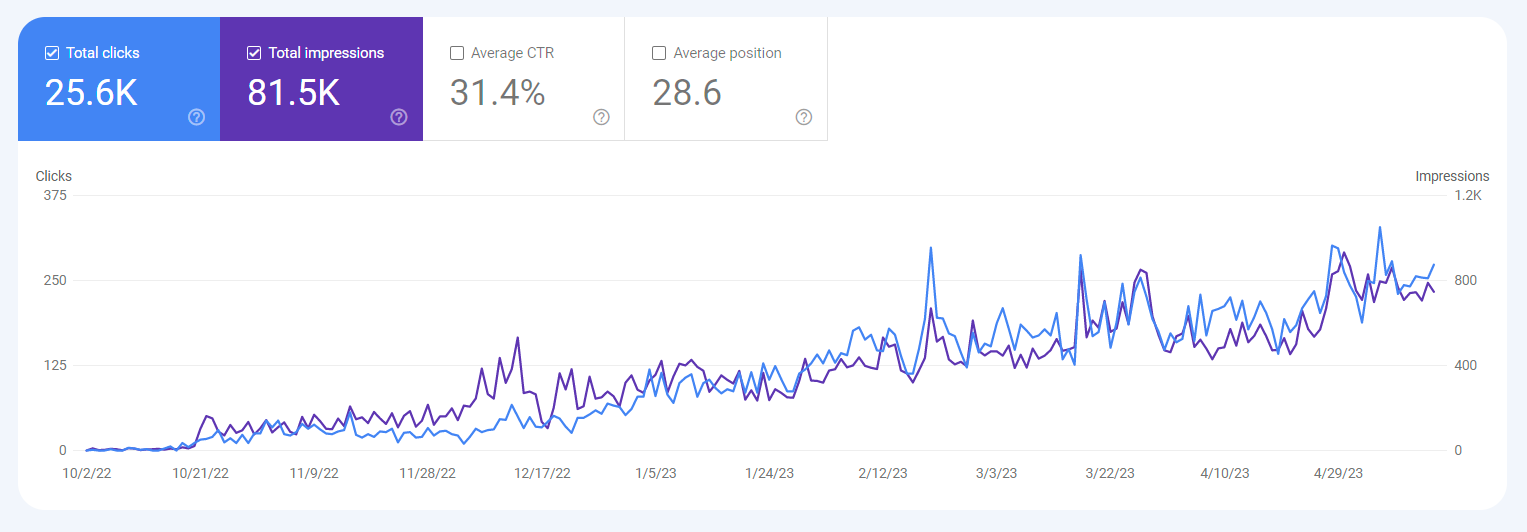
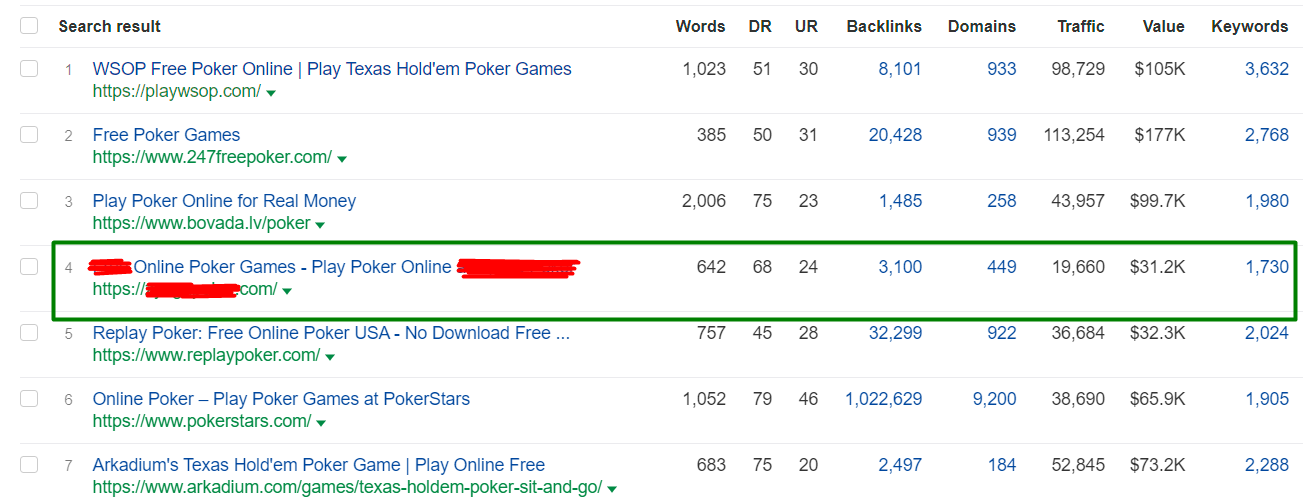
Rankings improved for the category’s head terms, including “play online poker”, “online poker room”, “poker tournaments online” and “best online poker room”. Better positions brought higher click-through, more organic traffic and a wider audience of potential players.
What we learned
- Technical changes can be the biggest lever. On a large, script-heavy platform, rendering and crawl efficiency moved results more than any single content change.
- Keyword research has to be comprehensive. The gains came from mapping the whole category, not from chasing a handful of head terms.
- Intent beats volume. Pages built around what players want outperformed pages built around keywords.
Two obstacles shaped the work. The category is intensely competitive, so standing out took more than standard practice. And search algorithms kept changing throughout, which meant constant monitoring and adjustment. Open communication with the client’s team and a flexible plan are what got the project through both.
What comes next
- The partnership continues. We keep working with the client, monitoring the market and adapting the strategy to its goals.
- New geographic markets. With the core markets established, the focus extends to new regions, each with its own research and localised strategy.
- Testing against algorithm updates. We track every significant update, measure its effect on rankings and adjust quickly, so visibility holds.