Why brand protection matters
In search, brand protection means the measures that safeguard a brand’s presence, reputation and visibility in the results pages. It is proactive work against brand hijacking, counterfeit sites, brand dilution and negative sentiment. Three things are at stake:
- Reputation. Counterfeit sites and hijacked brand terms damage trust. Identifying and stopping them preserves the brand’s integrity.
- Control of your own traffic. Unauthorised parties misrepresent the brand or redirect its traffic. Monitoring search results is how they are found and reported before players are confused.
- Sentiment. Reviews and discussions shape how a brand is perceived, and negative sentiment hurts both credibility and rankings.
The client
One of the largest online bookmakers, with a strong presence in multiple markets and a full product range: sports betting, casino, poker and more.
Its size made it a prime target. The better known an iGaming brand becomes, the more valuable its name is to everyone else. Copycat betting sites, unauthorised affiliates and misleading pages were competing for the brand’s own search terms. Players who searched for the brand ended up somewhere else, and the operator paid twice: in lost registrations and in damaged trust.
Three markets, three situations
We focused on three markets with very different characteristics. Analysing each one separately, including its regulation, its players and its competitors, was the first step.
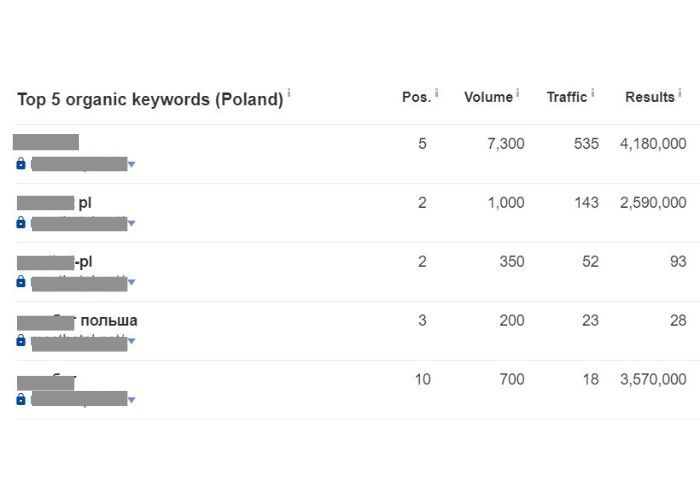
- Poland. A growing online market with a strong regulatory framework. The priority was compliance with local licensing and pushing unauthorised platforms out of branded results.
- Bangladesh. An emerging market with a large population, fast-rising internet use and many counterfeit betting sites. The priority was clear, trustworthy brand information in the local language.
- Nepal. A smaller market mixing land-based and online play. The priority was a consistent, official presence wherever players searched.
Workstream 1: search monitoring and analysis
- Continuous monitoring. We tracked branded results in each market, with real-time alerts and reports for unauthorised brand use, counterfeit sites and misleading information.
- Keyword analysis. Research specific to each market showed how players actually search for the brand, in local languages and with local habits.
- Competitor analysis. Tracking competitor strategies, keywords and rankings kept us ahead of hijackers and revealed new opportunities.
- SEO optimisation. Content, metadata, headings and URLs were localised and optimised so the official pages were the best answer for branded queries.
- Reporting. Regular reports on rankings, keyword performance and competitor movement guided ongoing refinement as algorithms and markets changed.
Workstream 2: DMCA and intellectual property enforcement
Copied and infringing content was identified and removed through DMCA notices prepared with legal counsel, and compliance was followed up afterwards. The effect:
- Infringing content removed quickly, limiting brand dilution and reputational damage
- The brand’s intellectual property and uniqueness protected
- Better rankings and organic traffic, as legitimate sources replaced infringing ones
- Stronger trust among players, who could see the brand defending its own name
Workstream 3: official satellite sites
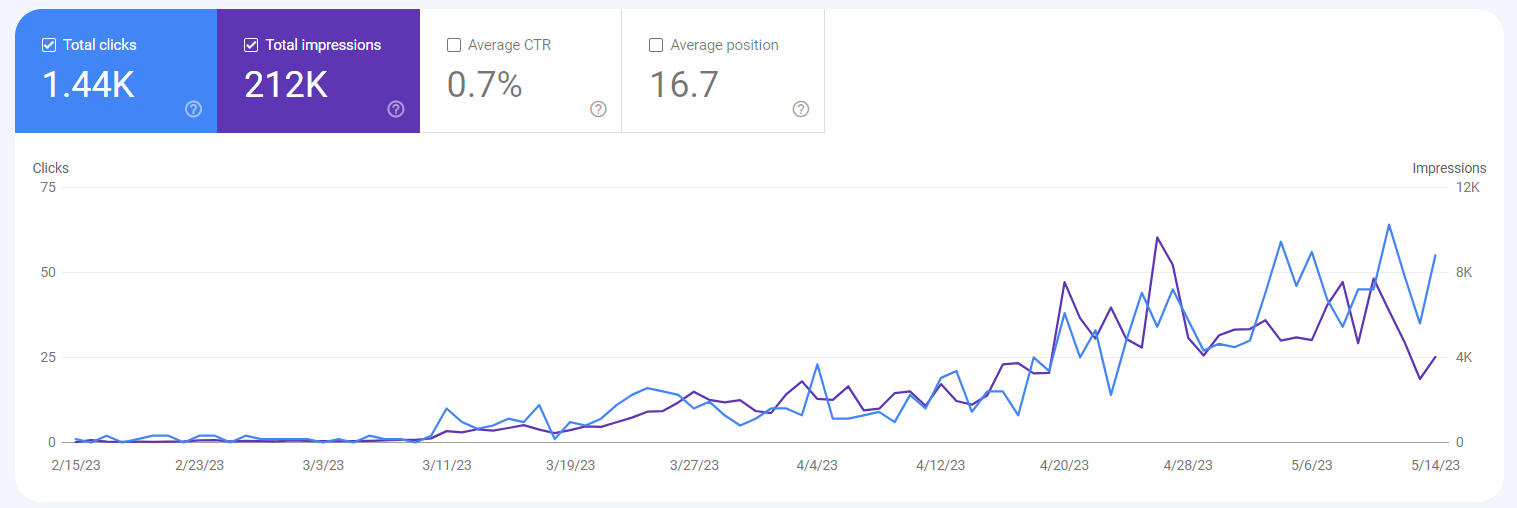
For each market we launched localised brand sites, consistent with the main brand and built for that market’s language and habits.
- Targeted presence. A dedicated destination for each market’s players.
- Localised content. Language, messaging and visuals adapted to local context.
- Local SEO. Each site optimised for its own market, taking further positions on the first page.
- User experience. Clear navigation and local functionality, so players find what they need.
- Market reach. A local footing that international competitors without a market-by-market strategy do not have.
- Brand consistency. The same core identity and promise everywhere, which strengthens recognition.
The outcome
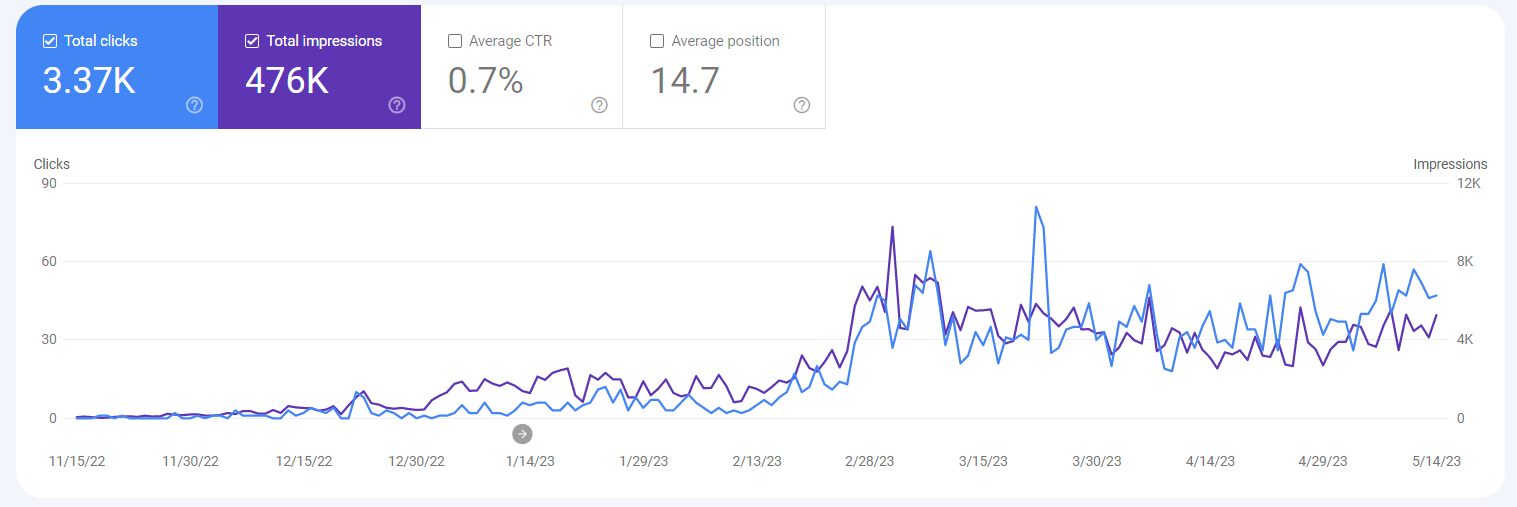
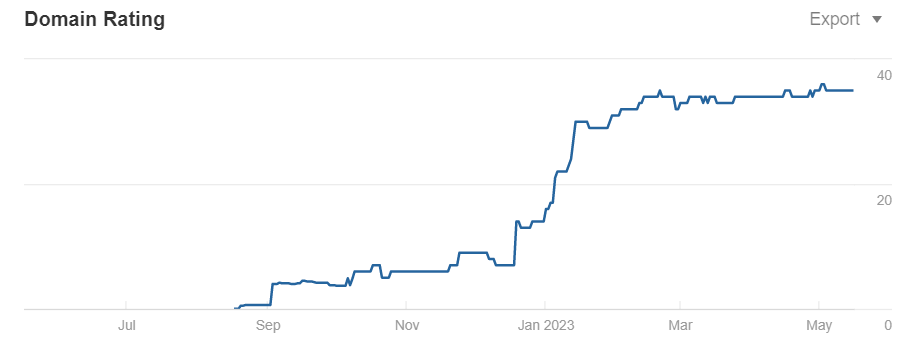
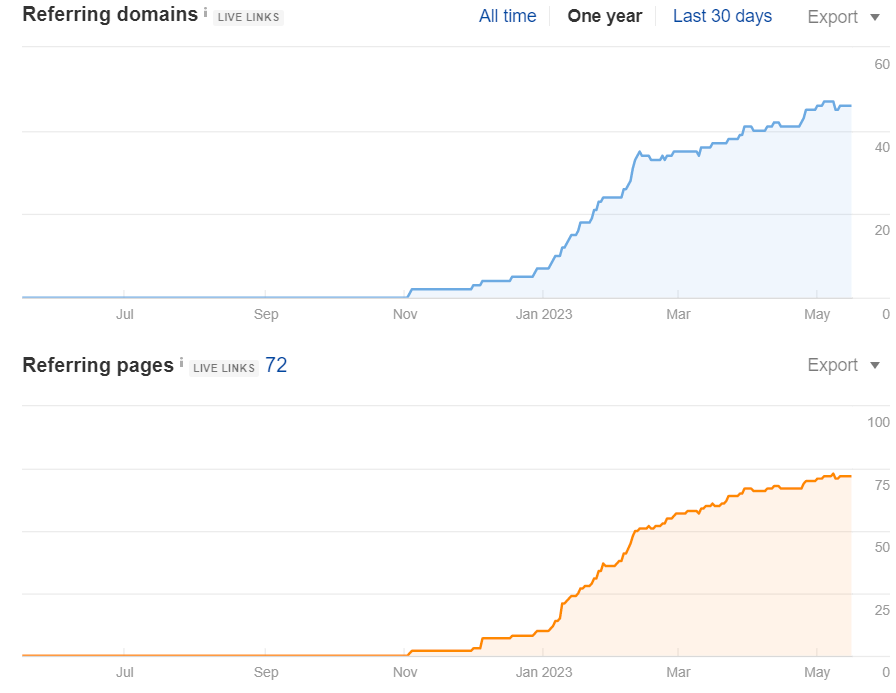
Branded keywords in Google’s top three grew from 27 to more than 150, an increase of 456%. Branded organic traffic rose by 410%, and new registrations and first-time deposits each rose by 80%, as official properties replaced imitators in branded results.
- Poland. A substantial increase in organic traffic to the local properties, a notable rise in registrations and more first deposits.
- Bangladesh. A significant boost in organic traffic from localised content, converting into a surge in registrations and a substantial rise in first deposits.
- Nepal. Higher visibility among local players, a significant rise in registrations and more first deposits.
Just as important, reporting on rankings, keywords and competitor movement now gives the client an early warning whenever a new threat appears.

What it shows
- Branded search is an acquisition channel. It is the highest-intent traffic an operator has, and it leaks by default.
- Protection is local. Each market needs its own language, its own regulatory reading and its own pages.
- Enforcement and SEO work together. Removing infringing results only holds when official pages are ready to take their place.